
Navigating Protein Supplements & Low Protein Diet: Patient Insights – Rebecca’s Story
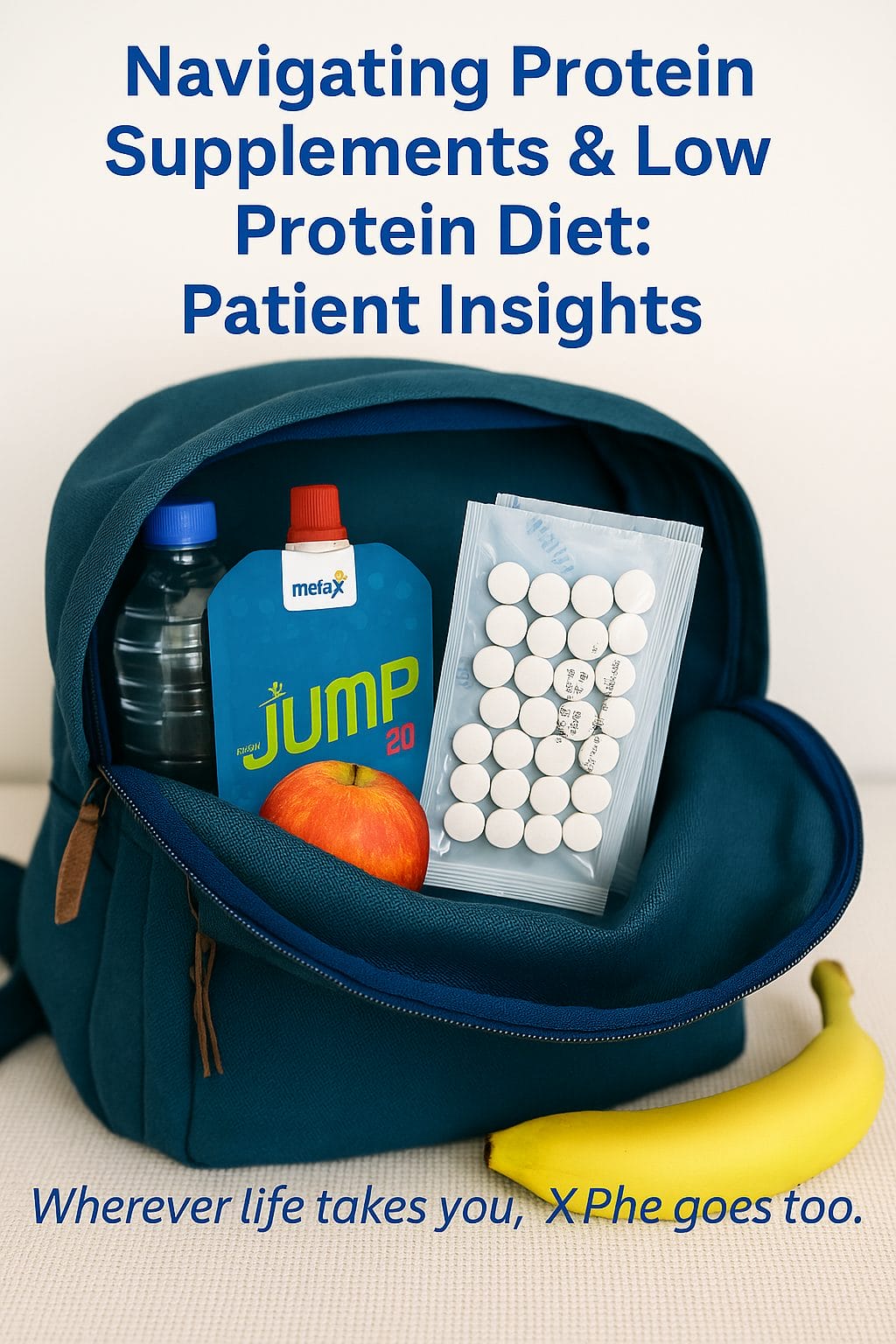
Navigating Protein Supplements and Low Protein Diets – Rebecca’s Story
Managing phenylketonuria (PKU) is a lifelong commitment that starts in early childhood. From protein substitutes to mastering the low protein (LP) diet, it’s a journey filled with daily decisions, trial and error, and moments of growth.
Managing protein intake is a unique journey, especially for individuals with dietary restrictions. Whether it’s relying on protein substitutes in childhood, experimenting with supplements, or finding joy in low protein meals, each patient has a story to share. Through their experiences, we gain valuable insights into diet management, practical advice and encouragement for others facing similar challenges.
While every PKU journey is different, common themes often emerge. Many people describe the challenge of balancing nutritional needs with everyday life, from school lunches and family celebrations to holidays, work commitments, and social events. What may seem like a simple food choice for others can require careful planning, label reading, and preparation for someone following a low protein diet. Over time, however, these routines often become second nature, helping patients build confidence and independence.
Advances in treatment options, greater awareness of PKU, and wider access to specialised foods have also helped many individuals feel more empowered in managing their condition. Yet emotional wellbeing remains just as important as dietary management. Support from family members, friends, healthcare teams, and the wider PKU community can make a significant difference, offering reassurance during challenging periods and celebrating successes along the way. By sharing honest experiences, practical strategies, and personal reflections, patients help others feel less isolated and more understood. Their stories remind us that living well with PKU is not only about managing protein intake, but also about building a fulfilling and rewarding life for the long term.
We recently asked several individuals living with PKU to reflect on their experiences. Through their answers, a powerful narrative emerged. One of resilience, self-discovery, and the importance of community. Here’s what they shared in response to five key questions.
Rebecca Deakin, Stockport

Hi, I’m Bex! I’m 31, from Stockport, and I have classic PKU. I’ve worked in financial services since graduating from university in 2016. Outside of work, I enjoy walking my dogs, going out for food and drinks, and spending time with my friends and family.
Question 1 – What were your memories taking protein substitute when you were a child?
I have mostly bad memories of taking protein substitutes as a child. When I was younger, it was manageable, but as I got older, I had to switch supplements due to my age. That’s when things got harder—Phlexy 10 was especially difficult for me because of its strong taste.
I tried it in different forms, like a drink or a paste, but I still struggled to take it and the limited range of options available at the time made it harder to find an alternative that suited me. The only way I could consistently take it was by turning it into a game with my sister, who also has PKU; we would race each other to finish it, which made the experience slightly more bearable. As I reached my teenage years, it started to make me feel sick and left a bad taste in my mouth, so that made me feel self-conscious about taking it before going to college.
Question 2 – What advice would you give to your younger self regarding diet management?
If you’re struggling with the taste or routine of taking your supplement, don’t just start skipping doses and ignore the problem—stay informed about new products that are being released. The options are constantly improving, and something more suitable will come along. Most importantly, be open to trying new things. It’s easy to assume every supplement will have that same “amino acid” taste but you need to give things a chance.
Question 3 – What protein supplement do you currently take?
Question 4 – What’s your favourite LP Food product? What is your favourite LP meal?
Promin Original Burger Mix! Promin Cheese and Broccoli Pasta with extra veg (mushrooms, olives, tomatoes, onions) and a handful of watercress on the side.
Question 5 – What would your advice be to other patients about diet management?
My advice to other patients managing their PKU diet is that you can absolutely live a full and normal life, just like your peers without PKU. These days, there’s much more awareness around dietary needs—resulting from the rise in allergies and veganism, restaurants and food places are far more accommodating than they used to be.
Don’t be afraid to ask for alternatives or adjustments to dishes when eating out. Most places are happy to help. Most importantly, don’t let PKU define you. Instead, embrace it—use it as an opportunity to try new foods, explore creative cooking, and even connect with people you might not otherwise meet.


RELATED STORIES
-

Adult patient experience of taking metaX XPhe minis and XPhe jump
Adult patient experience of taking metaX XPhe minis and XPhe jump A while ago I sampled metaX XPhe minis tablets. To begin with I…
-
Navigating Protein Supplements & Low Protein Diet: Patient Insights – Kirsty’s Story
Managing phenylketonuria (PKU) is a lifelong commitment that starts in early childhood. From protein substitutes to mastering the low protein (LP) diet, it’s a…
-
Navigating Protein Supplements & Low Protein Diet: Patient Insights – Mark’s Story
Navigating Protein Supplements and Low Protein Diets – Mark’s Story Managing phenylketonuria (PKU) is a lifelong commitment that starts in early childhood. From protein…
